eat like an athlete
DISCLAIMER: There is no "healthy" or "unhealthy".
Food either has a nutritional benefit, or it doesn’t. But nutrition is not the only value of food - it's purpose can simply be joy, too.
Eating like an athlete is not about eating perfectly, it's about giving your body enough energy and nutrients to grow, train, and recover so you can enjoy your sport.
SECTIONS:
Energy in/out
Food = fuel
How your fuel is used (hint: not just exercise!)
Low energy availability & REDs
Impact of underfueling
Questions to ask self
Types of food
Macronutrients & purposes of each
Source examples
Exercise fueling
Pre, during & post
Types of food for each + meal or snack ideas
Energy
IN vs OUT
Every day we provide our body with fuel through what we eat & drink, while also using this fuel to go about our day. Think of this as fueling up a car. You put fuel in, then use it. No fuel = can’t perform!
Many people think the OUT only comes from exercise, but this is not true. In fact it is only a small portion of your total daily fuel use.
This means even if you didn’t exercise, you still need fuel.
If you did exercise, you need even more.
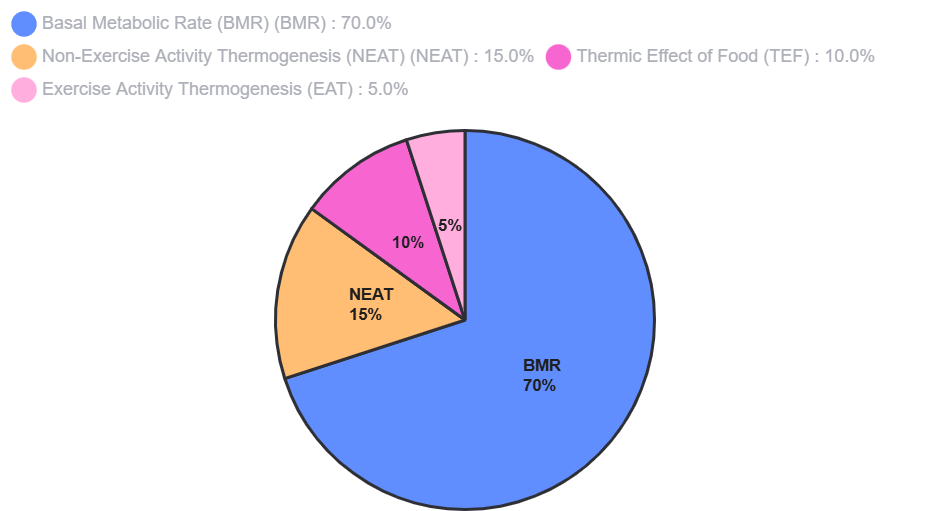
Your fuel goes to:
Basal Metabolic Rate: Energy used to keep your body functioning at rest (e.g. organs, breathing, etc.)
Non-Exercise Activity Thermogenesis: Movement that’s not specific exercise e.g. fidgetting, walking around the house, standing
Exercise Activity Thermogenesis: Planned/structured exercise e.g. gym, skating, long walks
Thermic Effect of Food: Energy used digesting the food you eat & processing the nutrients
Note:
The above are only estimates and can vary
Even further daily energy use for <20years for rapid growth, BMR sits higher too
Newer research is also showing it’s not just about your overall daily intake being enough, it’s actually about timing too!
e.g. 6 hours without food is still a period of deficiency from your bodies perspective, even if you over-eat later to try make up for it
Metabolic adaptation: your body can reduce your BMR & NEAT calorie use based on environment e.g. eating at a severe deficit
If you’re an athlete, you’re body is often in a state of recovery, and requires fuel to do this effectively!
REDs & Low Energy Availability
Low Energy Availability (LEA): The result of not eating enough to supply your daily energy needs
Relative Energy Deficiency in Sport (REDs): A syndrome caused by LEA over time, ranging from mild & adaptive to severe & potentially permanent impairments
Impacts psychological health, physical performance & nearly every physiological system in the body
Note: While they can co-occur, REDs is not necessarily indicative of disordered eating, it is most often unintentional due to low awareness of their needs
You can think of this as “low power mode” for your body.
Where your phone dims brightness, reduces app used, and stops updating; as young people, this can mean the building of strong bones, hormone production, immune system strength, muscle repair/recovery, and more.
Performance consequences:
Your body can’t build or maintain muscle in an energy deficit, will break down muscle as fuel if needed
Chronic fatigue & brain fog: difficulty concentrating in school, lack of explosive energy during training
Increased risk of injury: weaker tissues, slower reaction times, poor coordination, bad decision making
Quick self-check-in:
Has your training/exercise increased over the past year, including school/skating/everything?
Are you eating more than you were then or the same amount?
If you answered YES then YES, well done on responding to the increased load!
If you answered YES then NO, you might not be meeting your energy needs. Have a judgement-free chat with your coaches and/or parents so we can help make a plan with you.
Note: As young athletes, you may be comparing your eating habits to your peers. It’s important to remember that they may not be training like you are, therefore don’t need the same amount of fuel every day!
types of food
Three main macronutrients: Carbohydrates, Proteins & Fats
Most foods contain a combination of all of these, but some foods can be considered more “protein-dense” or “carbohydrate-dense”, for example, and therefore strong sources of these. You can always see the amounts of these by checking a food label or looking it up.
A balanced diet is ALWAYS. BEST.
1. CARBOHYDRATES:
Main purpose: The body’s main source of energy!
Sources & Timing: See exercise fueling section below
Types:
Simple carbs (sugars):
Delivered quickly to muscles for use, less digestion needed
More rapid spike in blood sugar
Often thought of as “unhealthy” but in a sport setting, exactly what we need for fast acting fuel!
Complex carbs (starch & fibre):
Slower to digest, steady & sustained release of energy
Less blood sugar “crash” and good for building up stored energy (carbohydrate loading)
Carb loading works across a whole week! e.g. relevant for comps, because you’re not fueling during a 3 min routine but it is still a big energy demand, need to have enough stored
Impact of deficiency:
Brain fog, fatigue
Headaches & dizziness
Irritability, mood swings
Constipation (due to lack of fibre)
Sugar cravings
2. PROTEINS:
Main purpose: Tissue repair, tissue growth, immunity
NOT substantial source of energy, but the building blocks for your muscles to adapt to your training load, therefore reduced benefit from your training without sufficient intake. Training essentially creates micro tears in your muscles & protein helps repair this.
Timing: Every meal! But specifically around exercise: post workout within an hour to help recovery
Sources:
These are only some examples of higher-protein foods, most foods have some amount protein & it’s important to always look at the full picture of a food or meal
Lean meat (chicken breast, etc.) & fish
Eggs
Dairy: greek yoghurt, cottage cheese, milk
Legumes: beans, lentils
Plant based: tofu, tempeh, and many more meat-free substitutes being created
Edamame & peas
Quinoa
Impact of deficiency:
Low bone density, increased risk of injury
Poor recovery/muscle repair
Weakness due to loss of muscle mass & strength
More frequent sickness & slower healing e.g. cuts or bruises stick around longer
Brittle hair & nails, dry skin
3. FATS:
Main purpose: Hormone regulation, vitamin absorption + protection of joints & organs, some sustained energy for lower intensity exercise
Sources: Avocado, nuts, seeds, olive oil, fatty fish
Types: There are what we refer to as healthy fats vs not. Both are fine and have their place, but the healthy ones are best for your hormones & cholesterol. The examples above are healthy (unsaturated) fats.
Impact of deficiency:
Dry skin and hair
Hormone disruption which can lead to irregular or skipped periods (a crossover symptom with REDs)
Vitamin deficiencies: Your body needs fat to absorb vitamins!
Increased hunger
Brain fog and fatigue
MICRONUTRIENTS:
Vitamins & minerals that are vital tools for your health, but not sources of energy themselves
e.g. Iron, electrolytes (magnesium), calcium, sodium, zinc
Generally, micronutrient needs are met through a balanced diet without any need for supplementation
If there was reasonable cause for concern of a deficiency, blood tests can be done
exercise fueling
Three main categories: PRE exercise, DURING exercise & POST exercise
As above, a balanced diet is always best for your meals. This section is specifically talking about ADDITIONAL food to help you perform your best before/during/after training.
1. pre-exercise
Timing: 2-3 hours before
Focus: Proper meal with a steady release of energy, building stores
Type of food: Complex carbohydrates (slower acting). If before an important session (e.g. competition, performance, or critical training) ensure not too much fibre or protein as these require more work of your stomach - during exercise digestion slows so this food may sit in your stomach and cause discomfort such as bloating or gas.
Complex carbs examples: Whole grain foods such as oats, brown rice, quinoa, whole wheat pasta, whole grain bread, sweet potatoes, beans, lentils, chickpeas
Meal ideas:
Bowl of oats with fruit & yoghurt
Bagel with cottage cheese & honey or PB
Eggs on toast
Chicken & rice
Sweet potato, quinoa & tofu
2. RIGHT before or During exercise
Timing: 30 minutes before. If exercising at an intense level for more than an hour, fuel is needed during too.
Focus: Fast-acting source of energy
Type of food: Simple carbohydrates (faster acting) that won’t sit heavy in your stomach. If during, often drinks/gels/liquids are easier options. Definitely avoid high fibre, fat, or protein foods now.
Simple carbs examples: high-sugar foods like fruits and sweets, refined grains like white bread or white rice, cereals (low fibre, sugary ones), pretzels, rice cakes
Snack ideas:
Pick&mix with dried fruit and your favourite candy! (NO nuts or seeds)
Smoothie with your favourite fruits (avoid heavy dairy)
Cornflakes or rice bubbles with minimal/light milk
Plain bagel with honey or jam
Banana & rice cakes
Creamy rice - canned so could live in your training bag as a backup!
Sport drinks (full sugar) or fruit juice can be good drinkable-carb options if you are short on time or struggling with your appetite
3. After exercise
Timing: Within one hour
Focus: Replacing lost fuel & protein for muscle recovery
Type of food: Carbohydrates within 30 minutes if intense exercise was done, protein within 60 mins
Examples: Refer to protein sources above and ensure decent serving in next meal (really, every meal), and refer to any of the carbohydrate examples above for quick post-workout snacks if immediate fueling is needed after a big session